


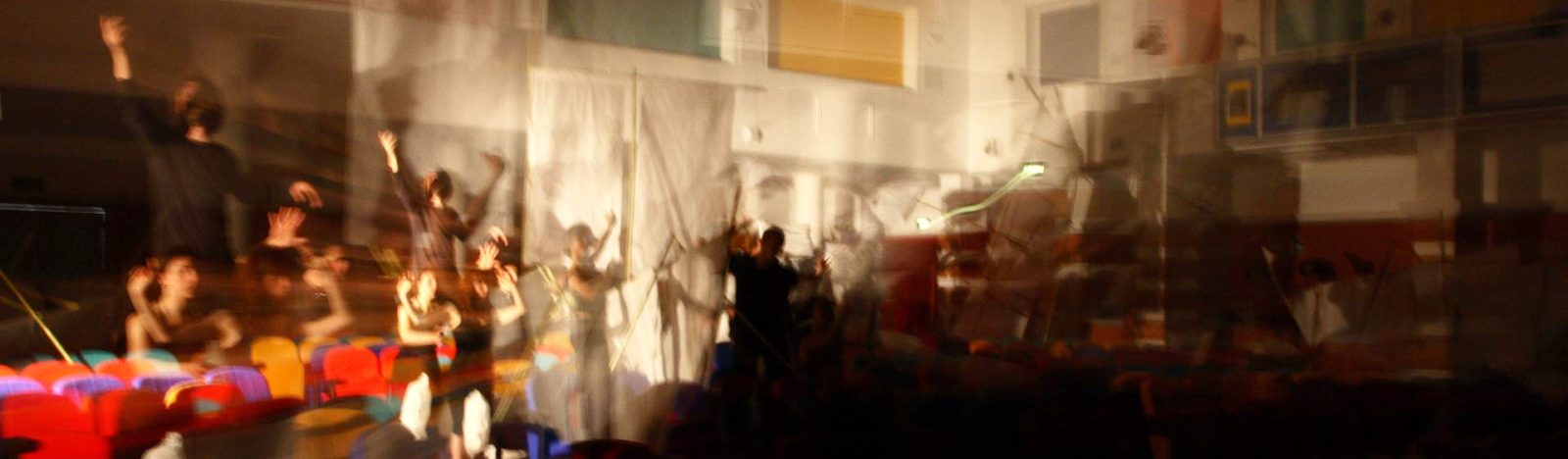
LAFLIS LIVING ARCHIVE FLOATING ISLANDS DOWNLOAD
Three simultaneous fields of cultural action to be implemented in phases
1. Memory as cognitive heritage – Archive of historical documentation on Eugenio Barba, Odin Teatret, theatre as a laboratory and barter, the International School of Theatre Anthropology/New Generation (ISTA/NG), the Eurasian Theatre, The Magdalena Project (network of women in theatre) and on the parallel culture of the Third Theatre (theatre groups). It also includes Eugenio Barba’s personal library. Available to scholars, Students and interested people.
2. Transmission as sharing – Processing and development of documents and other material in the Living Archive. It is a project of professional training and dissemination of knowledge through courses, collaborations with the itinerant centres of the Fondazione Barba Varley, other institutions and universities and sessions of the International School of Theatre Anthropology/New Generation (ISTA/NG). It also includes the publication of books and the “JTA – Journal of Theatre Anthropology” with free digital access as well as the realization of didacticl films on theatre anthropology and actor/dancer techniques. This phase of enhancement of the historical memory implies the growth of a catalyst-environment of specialists (Living Archive) in connection with an international network of artists, scholars and younger generations of cultural activists.
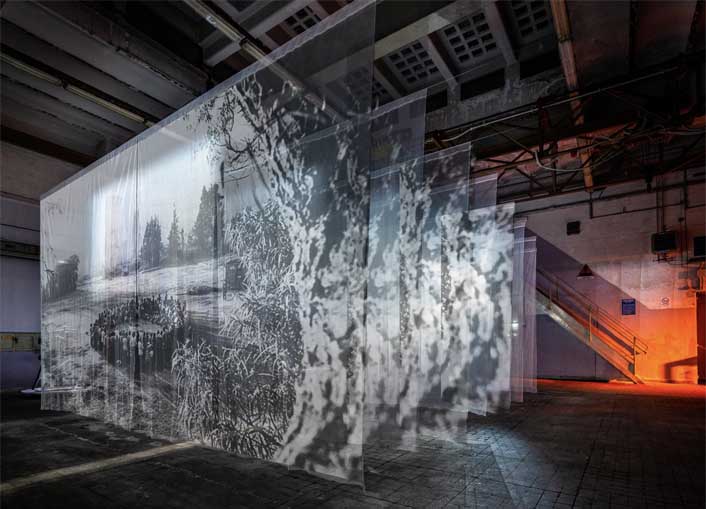
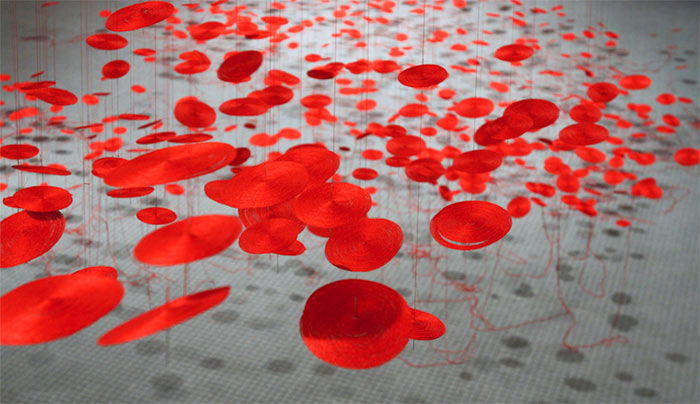
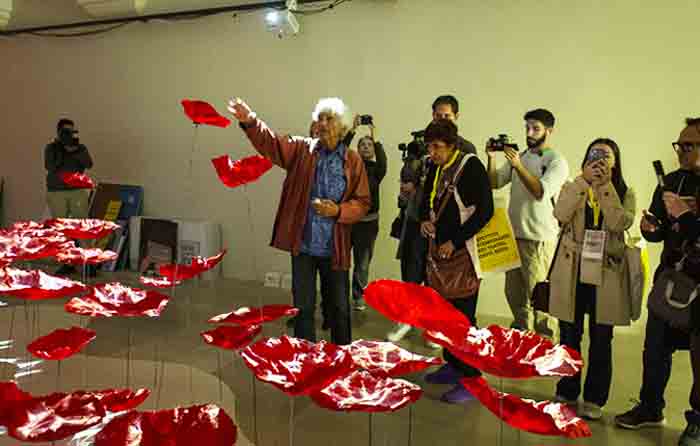
3. Transformation as a creative act – Metamorphosis of documents and objects from the Living Archive into an artistic visual/auditory language. The materials kept in the Living Archive together with elements such as sets, props and costumes from Odin Teatret’s performances find new life through installations and art exhibitions. With the title FLOATING ISLANDS, an interactive and participatory path in the “memory” is created, enabling the visitor to experience in various ways the history, travels, techniques and artistic objectives of Eugenio Barba, the Odin Teatret actors and the groups of the Third Theatre which contributed to changing the culture of theatre after 1968.
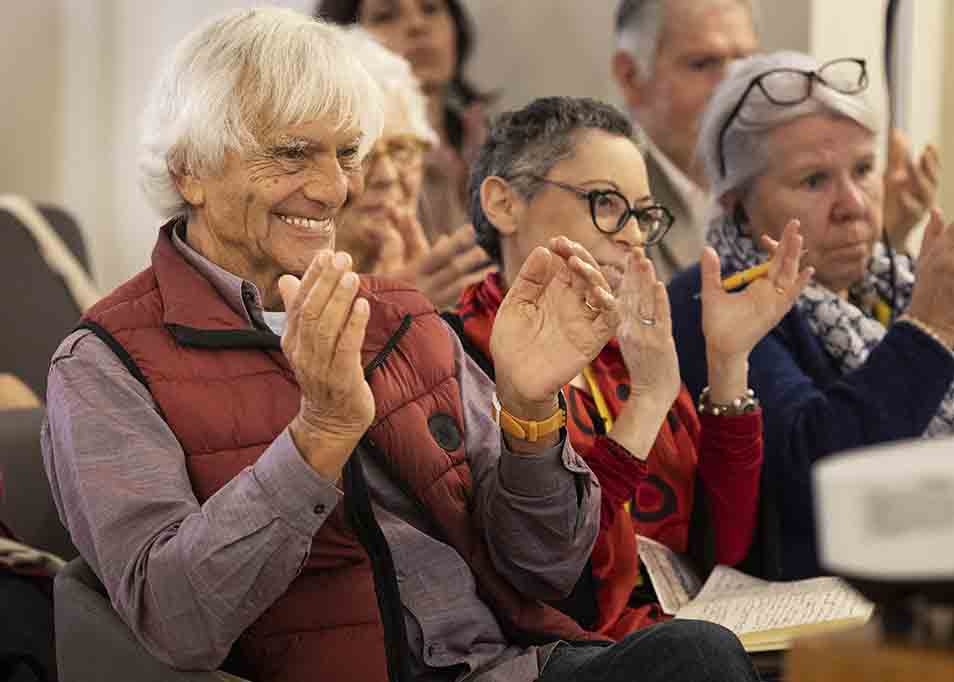
The utopia of the Third Theater and its future by Oliviero Ponte di Pino
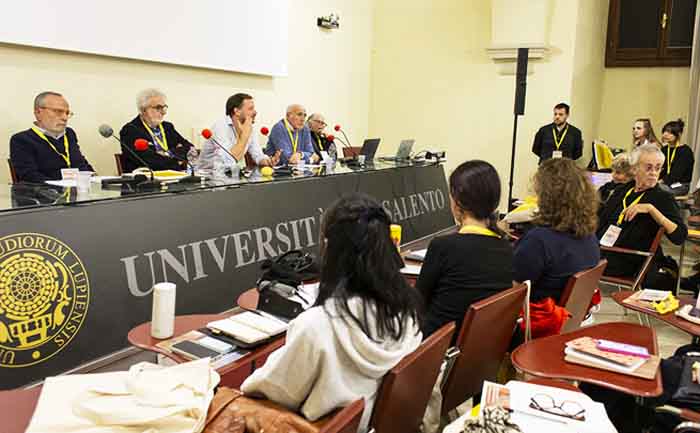
To celebrate the 60th anniversary of Odin Teatret, the University of Lecce organized an international conference entitled Contemporary Perspectives: Third Theater, Archives, Direction, curated by Eugenio Barba, Francesco Ceraolo, Franco Perrelli, and Julia Varley, from November 4 to 7, 2024.
On this occasion, Eugenio Barba was awarded the Ubu Prize: a documentary produced and donated by Jacopo Quadri and Davide Barletti. The conference looked back at the past, but above all to the future.
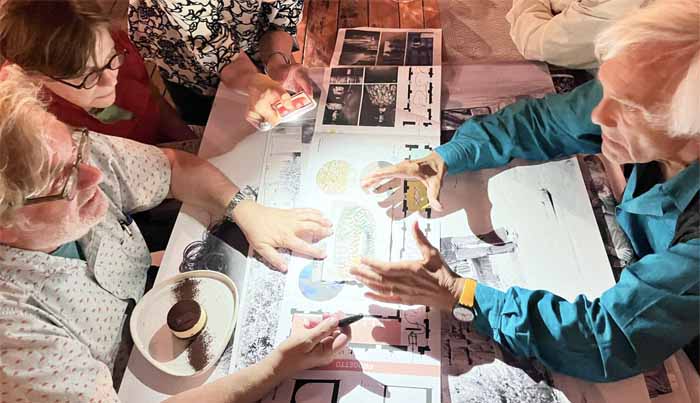
The past is the material and historical memory of the company and its legacy. The material memory has been preserved at LAFLIS, the archive of Eugenio Barba and Julia Varley, housed since last year at the Bernardini Library in Lecce: on the one hand, the archival collections, and on the other, a “living memory,” with installations (including multimedia) and initiatives that aim to excite and emotionally engage visitors.
There is a wealth of memories entrusted to the “professors” who have always accompanied Odin’s journey. But there is also the set of group theater practices represented in Lecce by four historic companies (in addition to Odin, the Parisian Théâtre du Soleil, the Colombian Candelaria, and the Peruvian Yuyachkani) and by a group of younger practitioners.
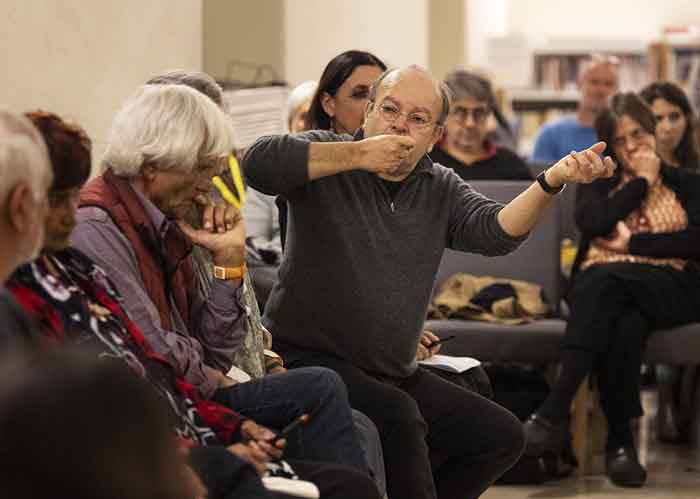
The transmission of knowledge is not linear: Raimondo Guarino (Roma Tre University) speaks of “knowledge to be invented” and a “multiplicity of what is handed down.”
It is not a question of reproducing a profession or building a career, agrees Georges Bigot of the Théâtre du Soleil, but rather of training courses and, above all, self-training.
This alternative to traditional theater prioritizes collective creation. “We build performances that arise within and for the group; the themes emerge from the group,” explains Julia Varley. For Miguel Rubio of Yuyachkani, collective creation “is not so much a method, style, or aesthetic, but a political practice” based on cycles of improvisation, reflection, and discussion.
Very often, the group leaves the theaters (or cellars) to perform in the streets, squares, markets, and churchyards: “The political situation has forced us to take to the streets: this practice changes society, but it also changes us and our way of working,” says Patricia Ariza of La Candelaria.
As Luca Vonella of Teatro a Canone notes, “theater walks on two legs: the stage and books.” This is also how the memory of theater can break the irreversibility of time.
Marco Luciano (Teatro Nucleo) recalled that the Terzo Teatro project (directed by Teatro Nucleo, Fondazione Barba Varley, and Fondazione Fo Rame) surveyed approximately 120 active groups in Italy.
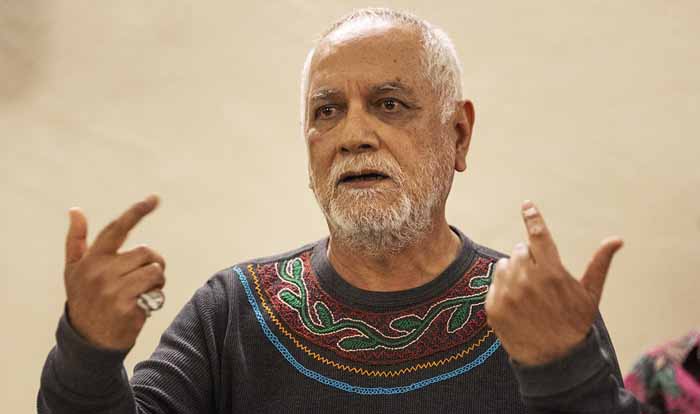
The context in which we live, the darkness into which we are sinking, tends to wear us down, corrode us, and make us all the same. The contagion witnessed by Georges Bigot can provide a clue for passing on the baton:
“I helped found groups in Cambodia, the Basque Country, Mali, and the US.”
accompanied by a quote from Patricia Ariza:
“Every show is a vision of the world, every show changes the world.”
Full text HERE
Utilizziamo cookie o tecnologie simili per finalità tecniche. Con il tuo consenso anche per altre finalità come specificato nella cookie policy: cookie statistici e/o di profilazione. Il rifiuto del consenso può rendere non disponibili le relative funzioni. Cliccando sul pulsante "Accetta tutti" acconsenti all'uso di tali tecnologie per tutte le finalità indicate. Cliccando sul pulsante "rifiuta" o sulla X acconsenti all'uso dei soli cookie tecnici. Puoi liberamente prestare, rifiutare o revocare il tuo consenso in qualsiasi momento.